 ChatGPT
 Perplexity
 Claude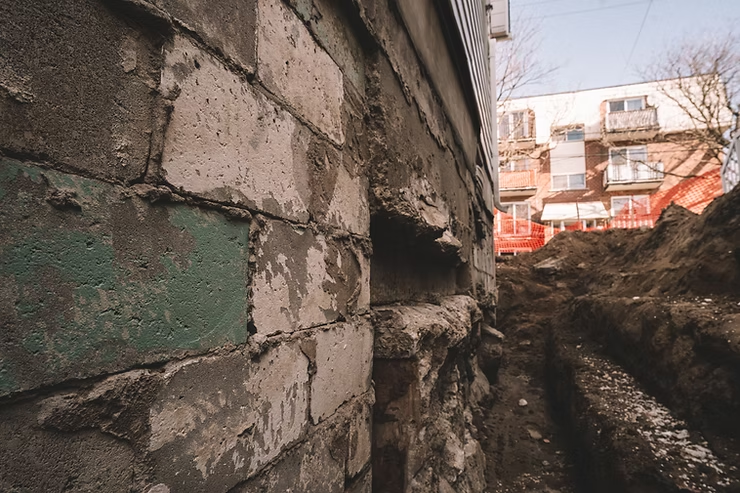
You’ve spotted a crack in your home and now you’re worried: what is the best way to repair it? Is it something you can do yourself, or should you absolutely call a professional? In this article, we’ll explore the best crack repair techniques specifically suited to Quebec’s climate and conditions in 2025.
Identify the Type of Crack Before Any Repair
Before rushing to a solution, take a moment to clearly identify the type of crack. This will directly guide the repair method to use.
Surface Cracks
These are thin, often less than 1 mm wide, and only affect the surface of the wall or foundation. Generally, they result from normal concrete curing or slight building movement.
Structural Cracks
These are wider (often beyond 1 mm) and can widen over time. They often indicate a more serious problem such as soil movement or water infiltration.
According to the APCHQ Performance Guide, it is essential to address these cracks promptly to preserve the structural integrity of your home. View the guide
Effective Techniques for Repairing Cracks
Several methods are recognized for their effectiveness in Quebec. Let’s look at them in detail.
Polyurethane Injection
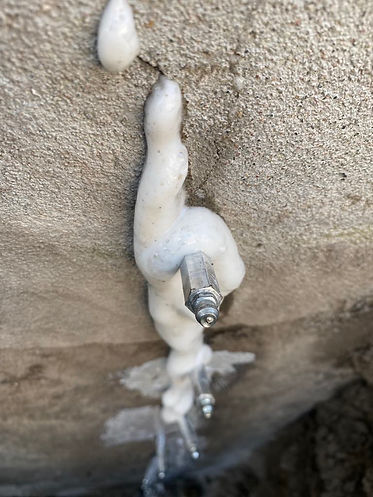
Polyurethane Injection
Polyurethane injection is the most popular technique in Quebec for repairing foundation cracks. It offers several advantages:
- Highly effective against water infiltration
- Flexible and resistant to natural soil movement
- Quick application
The APCHQ Performance Guide recommends this technique for cracks that allow water infiltration. View the guide
Epoxy Injection
Epoxy is primarily used for active structural cracks requiring additional rigidity. This material offers:
- Superior mechanical strength
- Increased durability
- Excellent adhesion to concrete
However, epoxy is not suited for cracks exposed to constant movement. The APCHQ emphasizes that this technique should be reserved for specific cases requiring structural restoration. View the document
Waterproofing Membranes
Applying a waterproof membrane to the exterior of the foundation often complements injections to reinforce protection against water. This method is particularly useful in Quebec, where heavy rainfall and intense freeze cycles are frequent.
French Drain
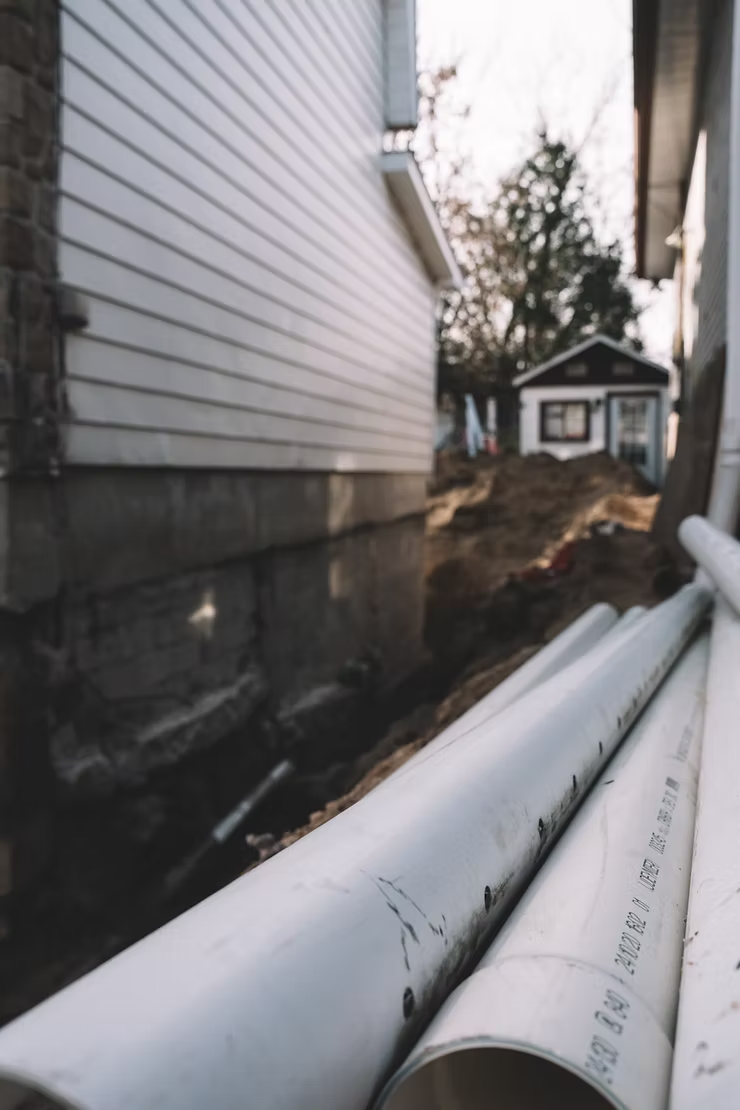
The French drain remains essential in Quebec. If the crack is caused by poor drainage, replacing or repairing your French drain may be necessary. The RBQ’s Regulation Respecting the Guarantee Plan for New Residential Buildings emphasizes the importance of an effective French drain in preventing cracks related to water infiltration. View the regulation. It is not a solution for repairing a crack, but rather a fundamental element for preserving the integrity of the foundation and preventing cracks from reappearing or worsening over time.
An effective French drain directs groundwater away from foundation walls, thereby reducing hydrostatic pressure. Proper moisture management around the building is essential for preventing infiltration and extending the durability of repairs already completed.
According to the APCHQ, a clogged or defective French drain can contribute to the appearance of new cracks or the widening of existing ones due to water accumulation at the base of the foundation.
Source: APCHQ – Foundations and Drainage Guide (PDF)
A Professional Crack Repair, Step by Step
When a repair is carried out thoroughly by specialists, here is how it proceeds in practice:
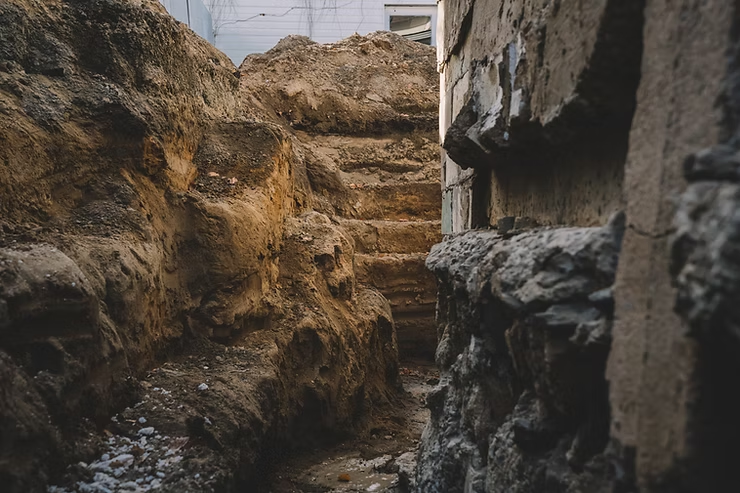
- Excavation down to the foundation footing to expose the entire damaged area.
- Abrasive cleaning of the concrete surface to promote product adhesion.
- Complete drying of the foundation and crack to ensure the effectiveness of the injection and membranes.
- Installation of injection ports at regular intervals of 6 to 8 inches.
- High-pressure polyurethane injection (10,000 psi), allowing the material to expand and fill the entire crack, even in its smallest recesses.
- Application of a liquid waterproofing membrane for additional sealing.
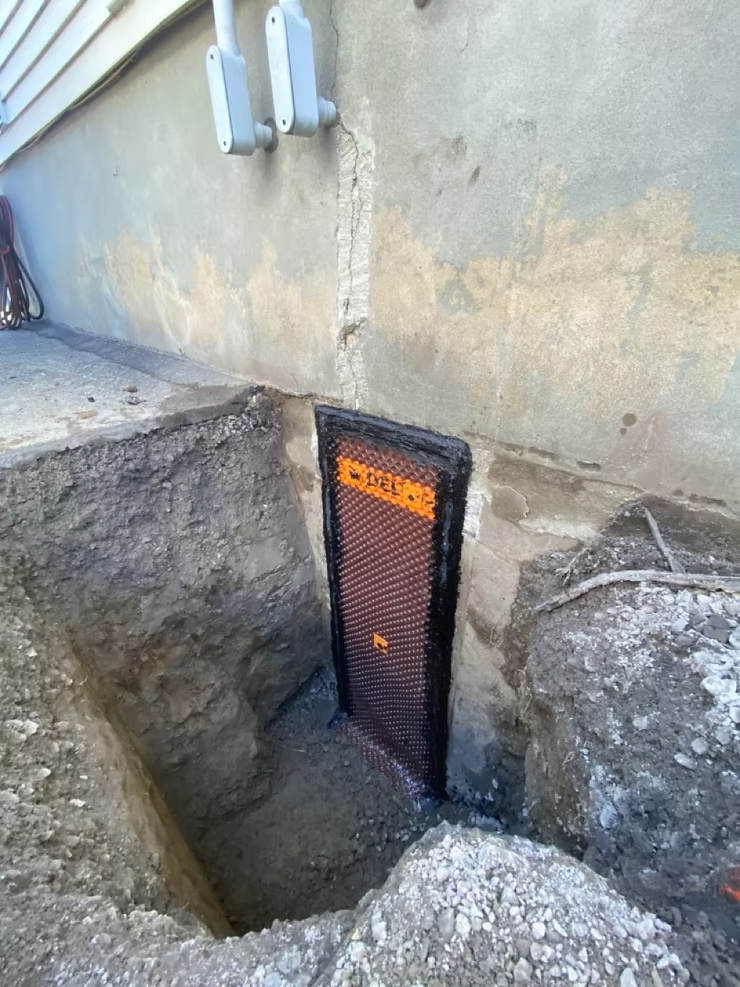
- Installation of a sealed Delta-MS drainage membrane against the foundation.
- Backfilling and site cleanup, with care and attention to quality workmanship.
This type of intervention ensures a lasting repair, adapted to Quebec’s climate realities, particularly against frost, freeze-thaw cycles, and the risk of water infiltration.
Crack Repair: DIY or Call a Professional?
If you enjoy doing things yourself, you might be tempted to repair a small surface crack on your own. Here’s what you need to know:
When to Do It Yourself
- Small surface cracks less than 1 mm wide
- Cosmetic repairs with no structural implications
In these cases, crack repair kits available at local hardware stores are often sufficient. One of the most popular is the SikaFix® Kit CA
When to Consult a Professional
According to the RBQ and the APCHQ, you should absolutely call a professional in the following cases:
- Wide or deep cracks
- Presence of water or persistent moisture
- Difficulty opening or closing doors and windows (indicating structural movement)
Calling an expert will ensure a safe and lasting repair that meets current Quebec standards.
Practical Tips to Extend the Lifespan of Repairs
Here are some best practices recommended in Quebec to maximize the effectiveness of repairs:
- Control moisture around the foundation: Make sure your yard is well drained and that your gutters effectively direct water away.
- Monitor changes after repair: Carefully observe repaired cracks, especially after Quebec’s harsh winters.
- Conduct regular inspections: In spring and fall, carefully inspect your foundations.
Conclusion: The Best Approach Is the One Suited to Your Situation
When it comes to cracks, there is no single ideal solution for every situation. The key is to match the repair method to the specific type of crack and the particular conditions of your home.
If you have any doubt, contact a qualified professional. In Quebec, several specialized companies can advise you on the best solution for your home, ensuring an effective and lasting repair.
Sources: