 ChatGPT
 Perplexity
 Claude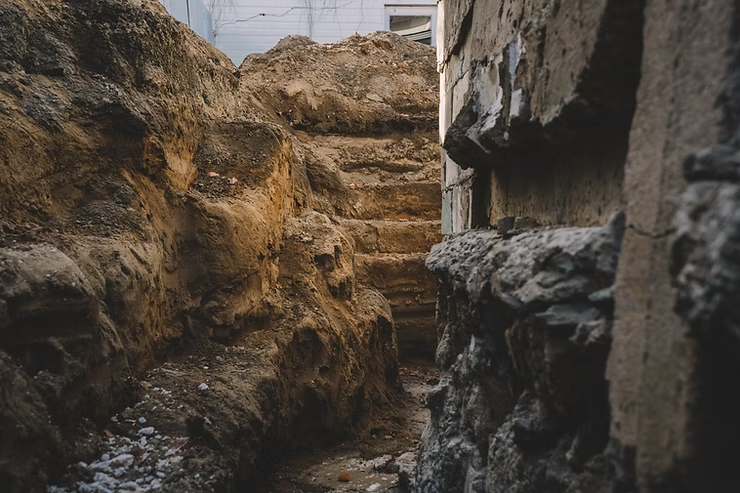
Water and foundations never mix well. Yet, a CMHC study estimates that nearly 60% of homes in Canada will experience a basement water infiltration problem during their lifetime. Bad news? Not necessarily. With the right approach, this problem can be resolved effectively and prevent costly damage.
Cracks, construction joints, hydrostatic pressure… The causes are numerous, but one thing is certain: ignoring a water infiltration means taking a major risk. Mold, structural weakening, loss of property value: the consequences go far beyond a simple damp spot on a wall.
Fortunately, there are precise and proven solutions to stop water and provide lasting protection for your basement. What is the best method for your situation? How can you prevent recurrence? And most importantly, what mistakes should you avoid? We review the most effective techniques for a reliable and lasting repair.
1. Identifying the Source of the Water Infiltration
Before repairing, you need to understand where the water is coming from. Without this, any intervention risks being only temporary. Here are the main causes to check:
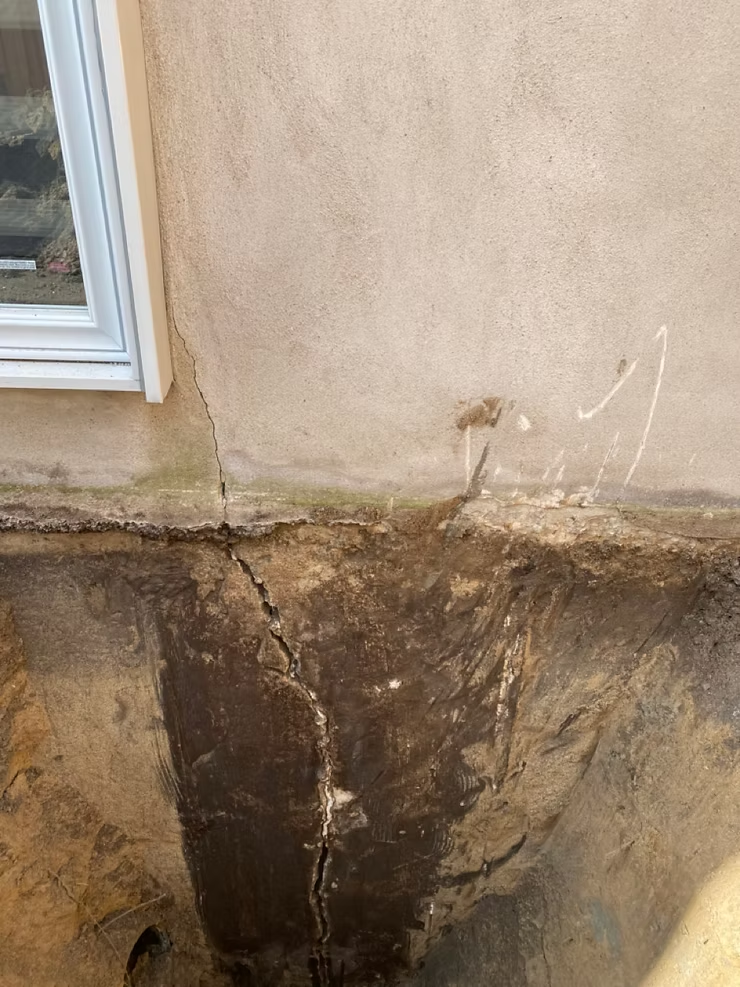
- Foundation cracks: They can appear due to freeze-thaw cycles, soil settlement, or improperly mixed concrete.
- Construction joints: Water can seep in where two structural elements meet.
- Hydrostatic pressure: A high water table or poor drainage can push water through the walls.
- Infiltration from above: Water can enter through poorly sealed windows or insufficiently protected foundations.
- Drainage problems: A clogged French drain or improperly graded slope around the house promotes water accumulation.
Pro tip : A simple test to detect an infiltration is to tape a sheet of aluminum foil to the damp wall. If condensation forms behind it, the water is coming from outside. If it forms on the front, it is an interior humidity problem.
2. Effective Repair Based on the Type of Infiltration
Once the source is identified, it is time to take action. Here are the most effective solutions based on the cause of the problem.
A. Resin Injection for Cracks (Interior Repair)
If water is entering through a crack in the concrete, polyurethane or epoxy injection is a quick and effective solution.
- Polyurethane: Ideal for active cracks, as it remains flexible and adapts to concrete movement.
- Epoxy: More rigid, perfect for structural cracks requiring reinforcement.
Advantages : Quick application, durable, no excavation required.
Limitations : Does not address drainage problems or water accumulation around the house.
B. Exterior Waterproofing (Long-Lasting Solution)
If the infiltration is recurring and affects a large area, the best solution is to address the problem at the source, from the outside. This involves:
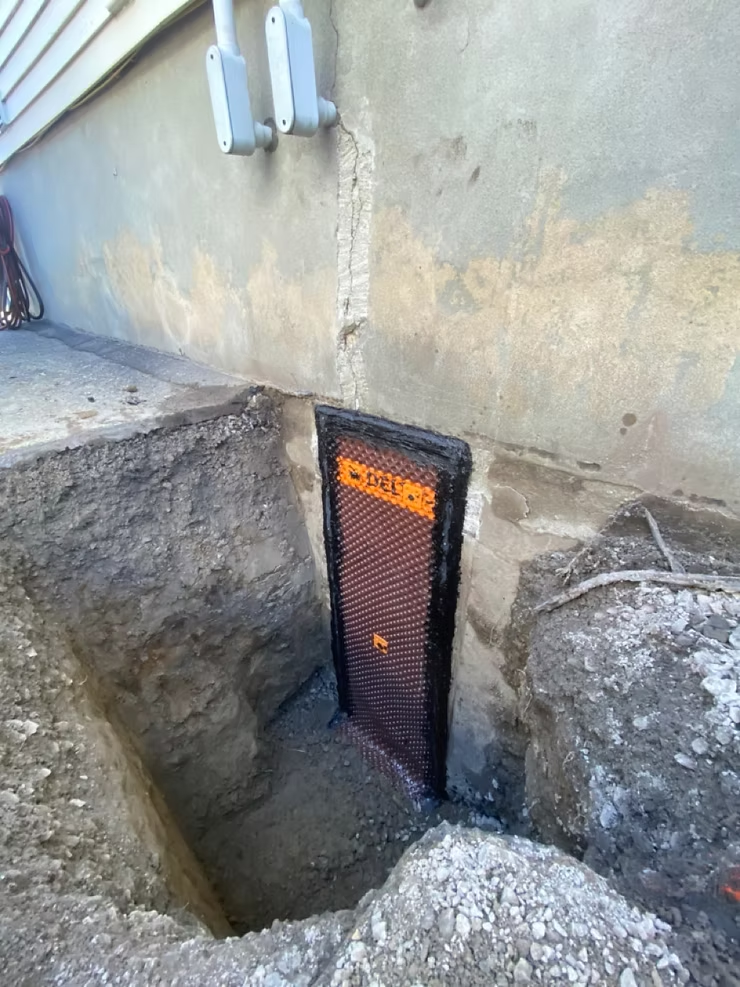
- Excavating the soil down to the base of the foundation.
- Cleaning and repairing visible cracks.
- Applying an elastomeric membrane or waterproof coating to the wall.
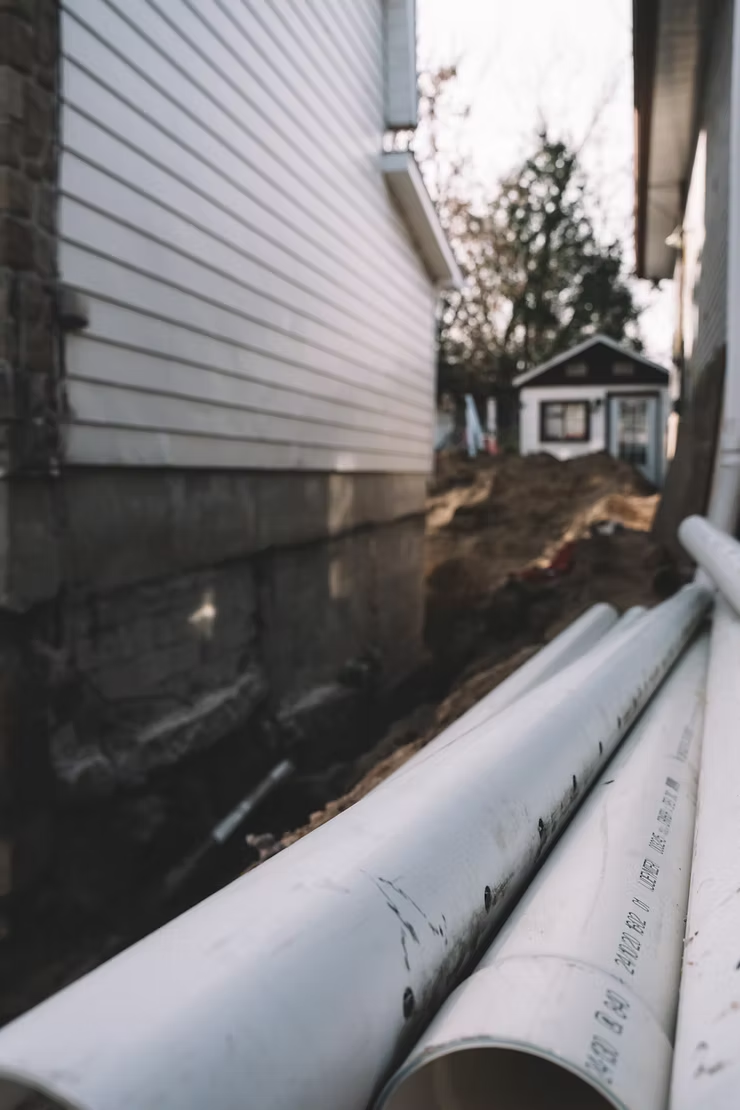
- Installing a new French drain (or cleaning the existing one).
- Backfilling with drainage gravel to prevent water retention.
Advantages : Permanent solution, prevents water from reaching the concrete.
Limitations : More costly and requires more extensive work.
C. Improving Drainage and Water Management
Sometimes, the problem is not the wall itself, but water that accumulates around the house. A few simple actions can make all the difference:
- Extend downspouts to direct water away from the foundation.
- Correct the grading of the terrain to direct water away from the house.
- Inspect and maintain the French drain to prevent blockages.
- Add a sump pit with a pump if the water level is too high.
Advantages : Reduces pressure on walls, easy maintenance.
Limitations : Does not repair existing cracks.
3. Preventing Water Infiltration in the Long Term
Repairing an infiltration is good. Preventing it from coming back is even better! Here are some best practices to adopt:
Check Your Drainage Every Year
- Clean your gutters and make sure they are properly evacuating water.
- Inspect the French drain if you have any doubts about its effectiveness.
Maintain Your Foundation
- Seal small cracks quickly before they get larger.
- Apply a waterproof coating on the exterior if necessary.
Properly Manage the Environment Around Your Home
- Avoid planting trees too close to the foundation (roots can cause cracks).
- Use drainage materials around the house rather than compacted soil.
Conclusion
A water infiltration in a basement wall is not inevitable. With a proper diagnosis and the right solution, it is possible to repair effectively and permanently. The key is to act quickly before water causes more significant damage.
Have doubts about the condition of your foundation? A professional inspection can save you a lot of trouble. Don’t wait for the problem to get worse — take action today!