 ChatGPT
 Perplexity
 Claude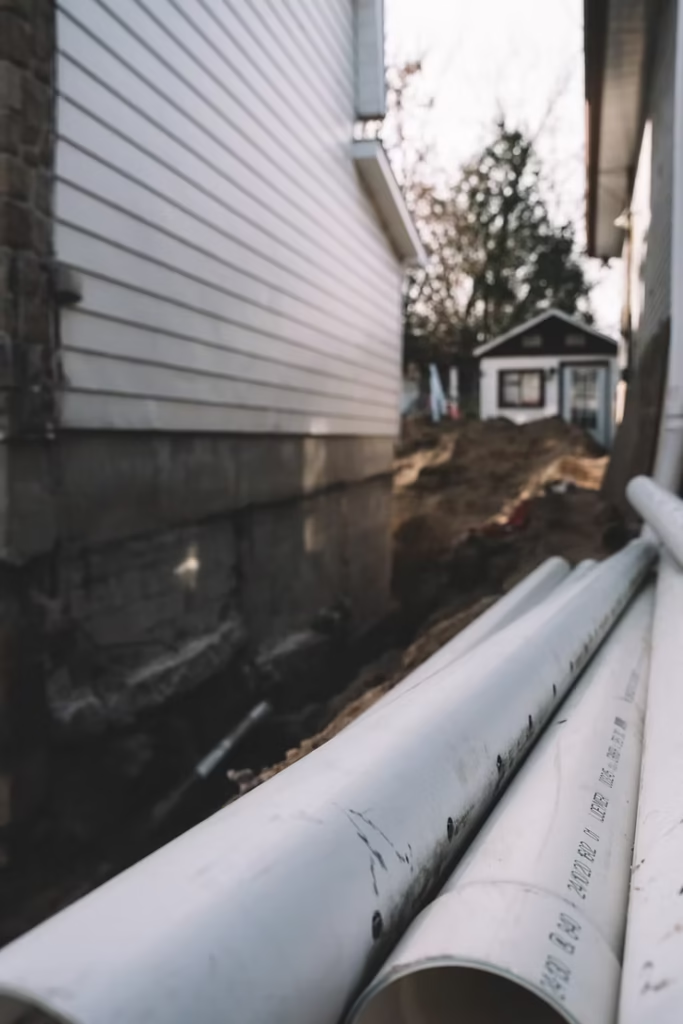
Water and foundations do not mix well. Poor groundwater management can lead to water infiltration, excessive moisture and, over time, cracks in the concrete. This is where the French drain comes in, an essential component for protecting a home’s foundations against water accumulation.
But how exactly does it work? Why is it so important in Quebec construction, where the soil undergoes intense freeze-thaw cycles? And most importantly, how can you tell if your drain is working properly or if it is clogged?
In this article, we will explain in detail the role of the French drain, its installation and the signs that indicate it may be failing.
The Role of the French Drain
The French drain is an underground drainage system designed to evacuate water that accumulates around a building’s foundations. Its purpose is simple: capture water before it exerts pressure on the foundations and redirect it to a safe discharge point, such as a storm sewer or a sump pit.
Without proper drainage, stagnant groundwater can seep into the concrete, cause excessive moisture and, over time, weaken the building’s structure.
How Does a French Drain Work?
The French drain is a perforated pipe installed at the base of the foundations, in a trench filled with gravel. Here is how it works step by step.
- Water collection: Water from the soil and precipitation naturally seeps through the 3/4 clear stone surrounding the drain, which acts as a filter and prevents large particles from blocking the pipe. The APCHQ standards recommend a minimum of 12 inches of stone to ensure effective and long-lasting filtration and prevent the French drain from clogging.
- Water evacuation: Once inside the perforated pipe, the water flows by gravity toward a discharge point. This can be a municipal sewer, a ditch, a sump pit or any other suitable drainage system.
- Protection against infiltration: By directing water away from the foundations, the French drain helps manage the water table and reduces hydrostatic pressure that could force water to penetrate the concrete walls. This helps prevent moisture problems and structural cracks over the long term.
French Drain Installation
The installation of a French drain must be carried out carefully to ensure its long-term effectiveness. Here are the essential steps.
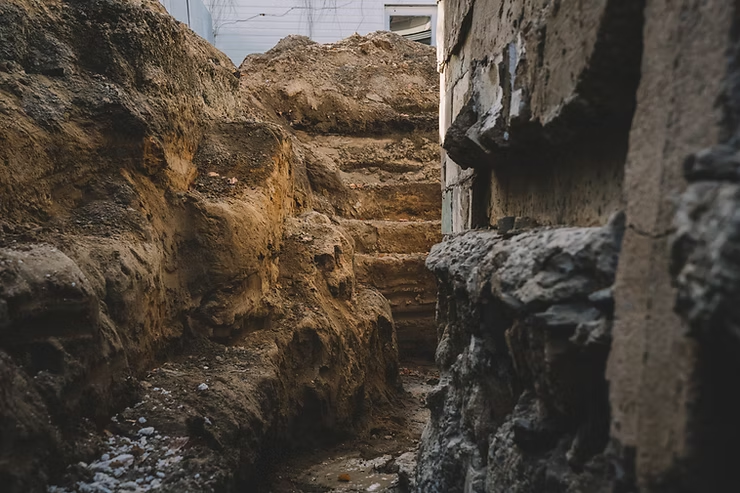
- Trench excavation: A trench is dug all around the foundations, generally down to the building’s footing.
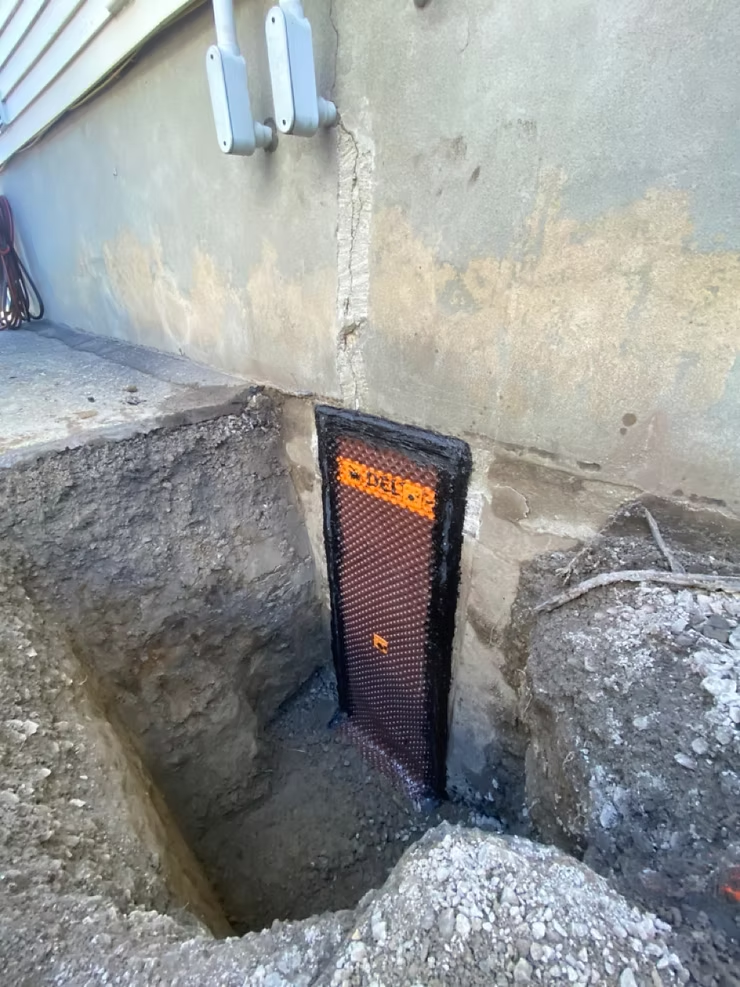
- Geotextile installation: A separation membrane (geotextile membrane) is installed at the bottom and along the sides of the trench to prevent sediment buildup in the gravel and drain.
- Perforated drain installation: A perforated PVC pipe (also called a BNQ) or polyethylene pipe (perforated agricultural drain) is placed in the trench, no higher than the foundation footing, with a slight slope to direct water toward the discharge point.
- Gravel backfill: The drain is covered with a layer of gravel to ensure proper drainage and prevent soil buildup around the pipe.
- Second geotextile installation: A second geotextile membrane is laid to prevent soil from mixing with the gravel.
- Trench backfilling: Finally, the trench is filled with soil to level the ground.
Signs of a Clogged French Drain
A defective or clogged French drain can cause water infiltration problems in the basement. Here are some signs that it is no longer functioning properly.
- Standing water around the foundations after rainfall.
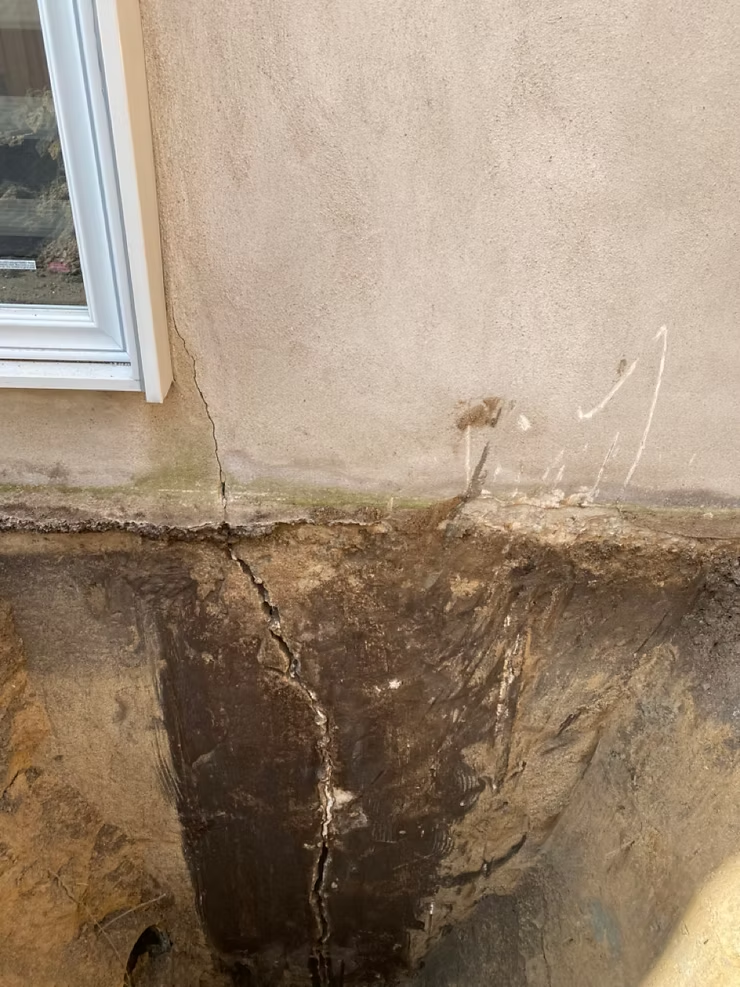
- Water infiltration or excessive moisture in the basement.
- Mold appearing on foundation walls.
- Sudden increase in water pressure on the concrete slab.
- Poor gutter drainage, with water accumulating near exterior walls.
If any of these signs appear, it is recommended to inspect the French drain using a camera and, if necessary, clean or replace it. This can be done through access chimneys or through the drain’s catch basin.
Maintenance and Prevention
To extend the lifespan of a French drain and prevent blockages, a few precautions are necessary.
- Regularly check the drain’s condition with an inspection camera.
- Clean the drain if necessary to remove mud and root deposits that could clog it.
- Ensure that gutters and downspouts direct water away from the foundations.
- Install an access chimney when the drain is installed to facilitate future maintenance.
Conclusion
The French drain is an essential component for protecting a home’s foundations against moisture and water infiltration. Its operation relies on a simple yet effective system: capture the water, evacuate it and thereby reduce pressure on the foundations.
However, a poorly maintained or clogged drain can lose its effectiveness and lead to costly problems. Regular inspection and proper maintenance ensure its smooth operation and extend its lifespan.
If you notice signs of a clogged drain or would like an assessment of your drainage system, contact a professional to avoid major complications.