 ChatGPT
 Perplexity
 Claude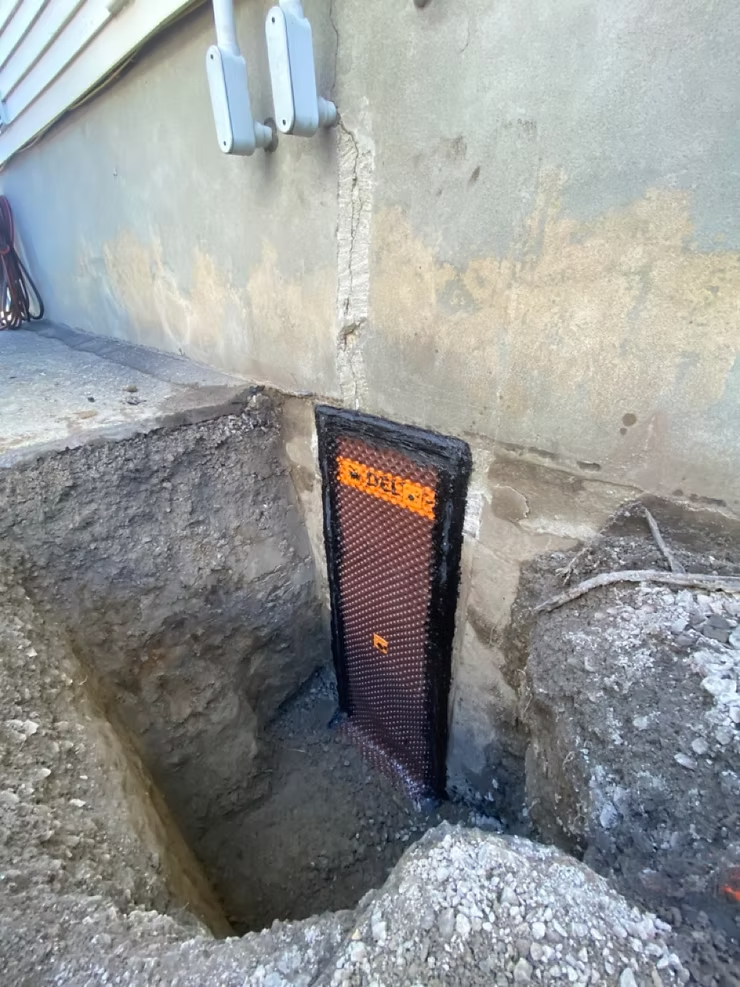
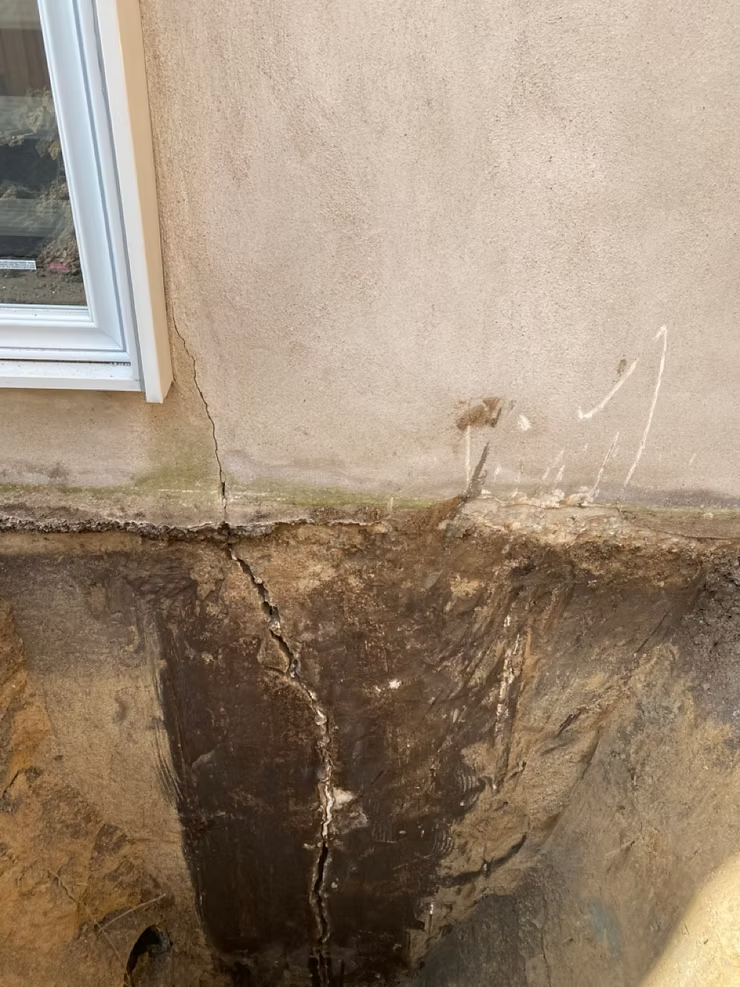
A crack in concrete is never harmless. Whether it is thin or clearly visible, it can widen over time and lead to more serious problems: water infiltration, structural weakening, and accelerated deterioration. Yet too many homeowners wait until the situation worsens before taking action. Bad idea.
Fortunately, sealing a crack is a manageable task if it is addressed quickly and with the right method. However, not all cracks are repaired the same way. Before using mortar or injecting resin, you need to understand the source of the problem and choose the appropriate solution.
In this article, we will look at how to identify a crack, what the most effective sealing methods are, and when it is best to call in a professional. Repairing properly today means avoiding complications tomorrow.
Identifying the Nature of the Crack
Not all cracks are the same. Some are superficial and harmless, while others can be a sign of a serious structural problem. Here is how to recognize them.
- Hairline cracks (less than 1 mm): these often result from concrete shrinkage during curing and are purely cosmetic.
- Fine to medium cracks (1 to 5 mm): these can be caused by soil movement, freeze-thaw cycles, or improper concrete placement.
- Wide cracks (more than 5 mm): these are concerning and may indicate soil settlement or a structural problem.
- Active cracks (that change over time): these require expert assessment, as they may reveal weaknesses in the foundation or slab.
Solutions for Sealing a Crack in Concrete
Once the crack has been identified, it is time to take action. Here are the main techniques used for crack sealing.
1. Polymer Injection: The Long-Lasting Solution
This is the most effective method for cracks in a foundation or concrete wall. Injecting epoxy resin or polyurethane seals the crack deep down and prevents any water infiltration.
Steps:
- Clean and dry the crack.
- Install injection ports at regular intervals.
- Apply a surface sealant.
- Inject the resin under pressure.
- Allow to cure and remove the injection ports.
This solution is ideal for structural cracks and water infiltration.
2. Repair Mortar: For Surface Cracks
If the crack is superficial and does not penetrate deep into the concrete, a repair mortar may be sufficient.
Steps:
- Slightly widen the crack with a chisel.
- Remove dust and dampen the area.
- Apply a mortar specifically designed for concrete.
- Smooth and allow to dry.
This method is suitable for cracks on slabs and above-grade walls.
3. Elastomeric Caulking Above Grade: For Cracks Subject to Movement
If the crack is caused by slight concrete movement, an elastomeric sealant, such as a polyurethane-based caulk, is recommended. It remains flexible and adapts to minor variations in the concrete.
Steps:
- Clean the crack.
- Apply a primer if necessary.
- Fill with caulk using a caulking gun.
- Smooth with a spatula or a damp finger.
This type of sealing is suitable for surfaces subject to movement.
When Should You Call a Professional?
Some cracks require the intervention of an expert, particularly if:
- The crack continues to grow.
- It is allowing large amounts of water to enter.
- It is associated with signs of soil movement, such as settlement or heaving.
- You are not sure of the best repair method.
In these cases, a specialized company can assess the situation and recommend a lasting solution tailored to your home.
Preventing New Cracks from Forming
To prevent the problem from recurring, here are some best practices to follow.
- Ensure proper drainage around the house to reduce water pressure on the foundations.
- Use quality concrete with a proper water-to-cement ratio during construction or repairs.
- Avoid sudden changes in moisture levels by protecting the concrete from the elements and installing waterproofing membranes.
- Monitor crack progression and act quickly if they widen.
Conclusion
Repairing a crack in concrete is not complicated if you use the right technique. Whether it is with a polymer injection
, a repair mortar, or elastomeric caulking, each solution has its purpose. The important thing is to act quickly to prevent more serious problems. And if the crack looks concerning, it is better to consult a professional before the situation deteriorates.
Need an assessment for your crack? Contact a foundation repair expert for a fast and effective intervention.