 ChatGPT
 Perplexity
 Claude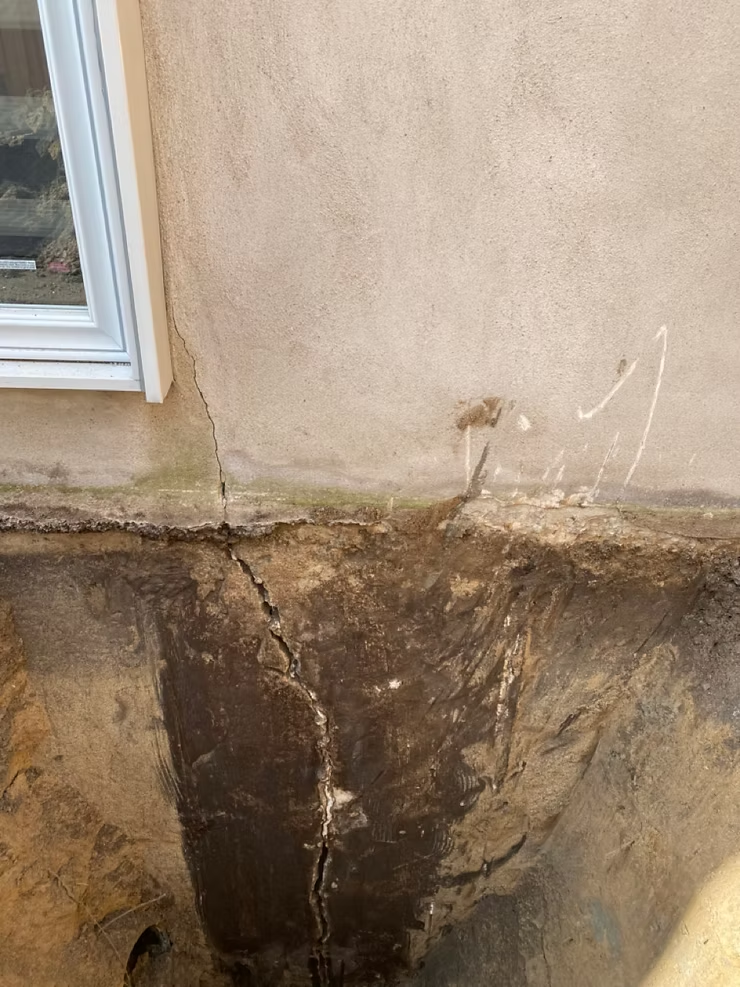
Cracks in the walls or foundations of our homes can raise legitimate concerns. Some are superficial and inconsequential, while others may signal serious structural problems. How can you tell the difference? This article will guide you in assessing the severity of a crack and determining the appropriate course of action.
Common Types of Cracks
There are several types of cracks that can be observed in a home. Correctly identifying them is the first step in assessing their severity.
Superficial Cracks
These cracks typically appear in plaster or paint and are often caused by factors such as material aging or humidity variations. They are generally thin and do not penetrate the wall structure.
Structural Cracks
These cracks affect the structural integrity of the building. They can result from soil movement, settled foundations, or excessive loads. They are often wider and may extend across a large portion of the wall or foundation.
Crack Characteristics to Watch For
To assess the severity of a crack, it is essential to consider several factors.
Crack Width
- Fine cracks (less than 1 mm): Often superficial and pose no immediate danger.
- Medium cracks (1 to 5 mm): May require monitoring, especially if they widen over time.
- Wide cracks (more than 5 mm): Generally indicate a serious structural problem requiring immediate intervention.
Crack Direction
- Vertical cracks: Often less concerning, they may result from normal material shrinkage.
- Horizontal cracks: More alarming, they may indicate excessive pressure on the walls, or frost heave caused by adfreeze action (APCHQ – Beware of Frost-Susceptible Soils)
- Stair-step cracks: Common in brick or block walls, they often indicate differential foundation movement.
Crack Location
- Interior walls: Cracks may be due to cosmetic or structural factors.
- Exterior walls: Cracks may indicate weather-related or structural problems.
- Foundations: Cracks are particularly concerning and require immediate attention.
Possible Causes of Cracks
Understanding the origin of a crack helps assess its severity.
Material Shrinkage
Concrete and plaster can shrink as they dry, causing small superficial cracks with no structural consequences.
Soil Movement
Clay soils can swell or contract depending on moisture levels, exerting pressure on foundations and causing cracks (RBQ – Problems Related to Clay Soils).
Water Infiltration
Water can weaken foundations, especially if drainage is inadequate, leading to cracks and settlement.
Excessive Loads
Renovations that add weight or structural modifications can overload certain parts of the house, causing cracks.
When to Consult a Professional?
It is essential to know when a crack requires expert intervention.
Warning Signs
- Wide or rapidly expanding cracks: Especially if they exceed 5 mm in width.
- Cracks accompanied by sticking doors or windows: Indicate structural movement (Natural Resources Canada – Keeping the Heat In).
- Cracks with water infiltration: Can cause additional damage and mold problems.
Importance of a Professional Inspection
A structural engineer or qualified building inspector can assess the severity of cracks and recommend appropriate solutions (RBQ – Choosing a Contractor for Your Renovations). Their expertise is crucial to ensuring the safety and longevity of your home.
Possible Solutions
Depending on the severity and cause of the cracks, different solutions can be considered.
Cosmetic Repairs
For superficial cracks, simple filling followed by painting may be sufficient.
Structural Reinforcement
More serious cracks may require foundation reinforcement, the addition of tie rods, or other techniques to stabilize the structure.
Drainage Improvement
Ensuring proper drainage around the house can prevent water infiltration and associated problems (APCHQ – French Drain and Waterproofing).
Crack Prevention
Prevention is better than cure. Here are some measures to minimize the risk of cracks.
Regular Maintenance
Regularly inspect your home to detect early signs of cracking and take action promptly.
Moisture Management
Ensure that drainage around your home is adequate and that gutters are clean to prevent water accumulation near the foundations.
Load Control
Before undertaking major renovations, consult a professional to ensure the structure can support the new loads.
Control Vegetation Near Foundations
The roots of trees and shrubs planted too close to foundations can exert pressure on them and absorb soil moisture, causing ground movement. It is recommended to:
- Plant trees at an appropriate distance: The distance between a tree and the house should be at least equal to the tree’s mature height.
- Choose species with less invasive roots: Opt for varieties whose root systems are less likely to damage foundations.
Conclusion
Not all cracks in a home are synonymous with danger. By evaluating their size, direction, and location, and by understanding their possible causes, you can determine their severity. However, when in doubt, it is always recommended to consult a professional to ensure the safety and integrity of your home.