 ChatGPT
 Perplexity
 Claude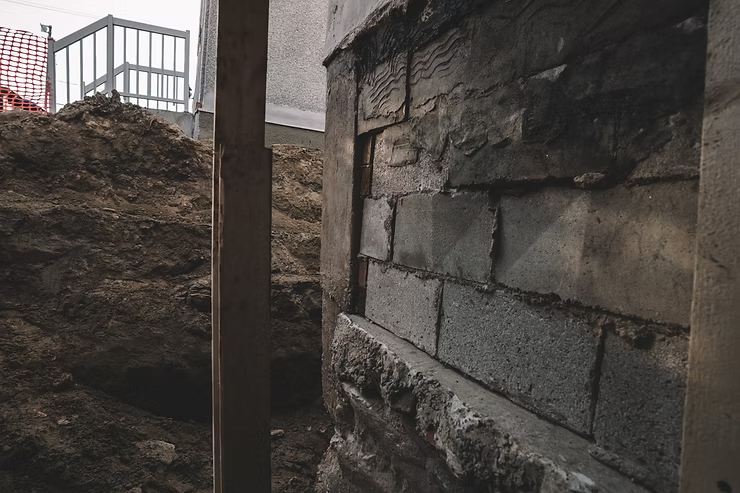
Foundation cracks are something no homeowner wants to see! Yet, most homeowners eventually come face to face with a small line snaking along their foundation walls. And then, a nagging concern quickly sets in: is it serious? Should I act right away or simply wait?
This article will help you understand when it is necessary to worry and take immediate action.
Why Does Your Foundation Crack?
Before determining whether a crack is concerning or not, it is helpful to understand why they appear in the first place. In Quebec, for example, our unique climate, with its frequent freeze-thaw cycles, places considerable stress on foundations. Water in the soil expands when it freezes, pushing against the walls. Conversely, as certain soils dry out, particularly clay soils, they can contract, creating ground movement (source: RBQ).
Sometimes, these natural movements cause superficial cracks with no consequences, but in certain cases, they can seriously damage the structure.
Types of Foundation Cracks: What to Watch For
Not all cracks are created equal. Here are the main ones to watch for:
Hairline and Superficial Cracks
These cracks are generally less than 1 millimeter wide. They often appear within the first few months after a home is built and are caused by concrete shrinkage as it dries. No need to panic—this type of crack is quite common and rarely problematic.
Medium Cracks (Between 1 and 5 mm)
These cracks may deserve some attention. They can sometimes widen over time. If you spot one, monitor it regularly. If it grows, it may be worthwhile to call a professional to assess the situation.
Wide Cracks (More Than 5 mm)
These cracks generally indicate a serious structural problem. The wider they are, the more likely the issue is severe. At this point, consulting a foundation expert quickly is essential to determine the causes and take effective action.
Crack Direction: A Crucial Indicator
Width is not the only factor to consider. The orientation of a crack also reveals a great deal about its severity.
Vertical Cracks
These cracks are very common and often related to concrete shrinkage. Generally, they do not immediately threaten the structural integrity of your home. A simple preventive repair is often enough to prevent water infiltration.
Horizontal Cracks: Special Attention Required
Horizontal cracks in foundations are more concerning, as they typically indicate excessive pressure from the soil or a serious drainage problem around the home (source: APCHQ – Attention aux sols gélifs). If you notice this type of crack, contact a professional promptly for a detailed assessment.
Stair-Step Cracks
Stair-step cracks are typical of brick or concrete block foundation walls. They often indicate differential foundation movement. These cracks warrant regular monitoring and, if they grow, prompt professional intervention.
Where Is the Crack Located?
The location of the crack also influences its severity:
- Cracks on interior walls: generally less concerning, but you should still monitor them.
- Cracks on exterior walls: they may reveal issues related to weather conditions or drainage.
- Cracks in basement foundations: these absolutely require prompt attention, as they can directly affect the stability of your home.
Warning Signs You Should Never Ignore
Beyond the crack itself, certain associated signs should alert you:
- Sticking doors and windows: A crack accompanied by difficulty opening doors or windows may indicate major structural movement (source: Ressources naturelles Canada).
- Water infiltration through the crack: Risk of mold, concrete weakening, and other serious complications.
- Rapid widening of the crack: Indicates recent or ongoing movement and requires prompt intervention.
What to Do When You Are Worried About a Crack?
If you are concerned, here are the steps to follow without delay:
- Take photos: Document the crack’s evolution over the weeks.
- Measure regularly: Use a measuring tape to monitor the width and progression.
- Consult a foundation expert: Contact a specialized company or a certified building inspector for a professional assessment (source: RBQ – Choisir un entrepreneur).
How to Prevent Foundation Cracks?
Prevention is better than cure! Here is how to reduce the risk of cracks appearing in your foundation:
- Ensure proper drainage: a French drain in good condition and an adequate slope will effectively direct water away.
- Avoid vegetation too close to the foundation: tree roots can exert harmful pressure on your foundation.
- Inspect your home regularly: detect small issues quickly before they become serious problems.
- Control moisture around the home: standing water can cause harmful soil movement.
In Conclusion: Act Quickly, Avoid Unnecessary Worry
Not all cracks are necessarily serious. It is important to stay calm, document their appearance, and above all, pay close attention to how they evolve. When a crack is significant, horizontal or stair-stepped, widening rapidly, or accompanied by concerning associated signs, do not hesitate to contact a professional. Your peace of mind and the soundness of your home depend on it!
Always remember: a prompt assessment is often less costly and more effective than a delayed repair. It is better to act at the first warning signs to avoid much larger and more expensive issues down the road.